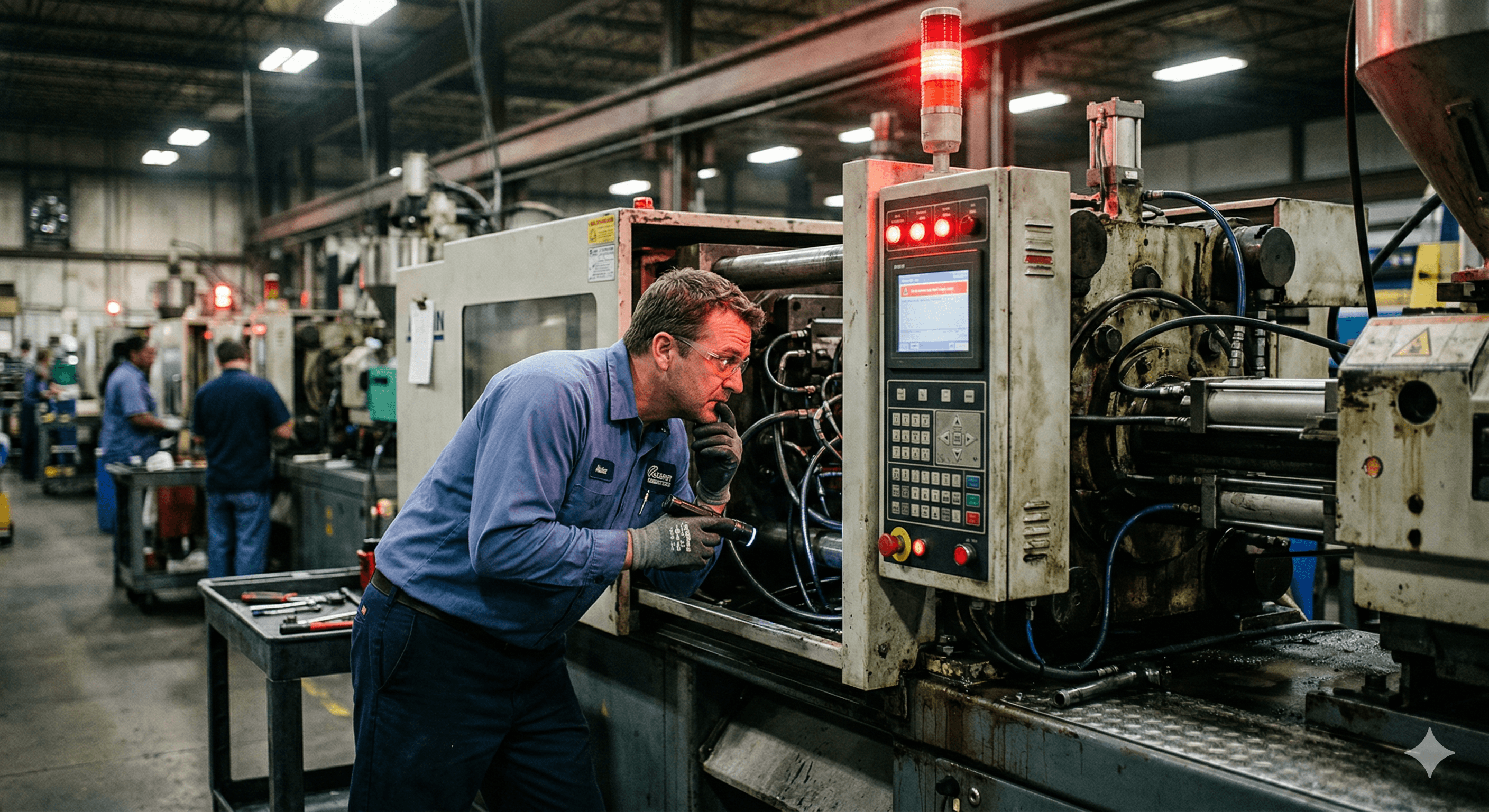
Downtime analysis is a structured approach
to identify, measure, and eliminate production
losses caused by equipment or process
interruptions. It is a critical component of
improving OEE (Overall Equipment Effectiveness)
and operational efficiency.
Downtime Analysis
Method
1. Define Downtime
Categories
Planned Downtime
Unplanned Downtime
Minor Stops
Operational Losses
2. Capture Accurate
Data
Use automated systems (IoT / MES)
where possible
Record start time, end time,
duration, and reason
Ensure operators select standardized
downtime codes
Validate and clean data regularly
3. Apply Pareto
Analysis (80/20 Rule)
Rank downtime reasons by total duration
Focus on top 20% causes that create
80% of losses
Visualize using Pareto charts for quick
insights
4. Perform Root Cause
Analysis (RCA)
Use tools like 5 Whys and Fishbone
Diagram (Ishikawa)
Analyze factors: Machine, Method,
Material, Manpower, Environment
Involve cross-functional teams
(maintenance, production, quality)
5. Analyze Trends
& Patterns
Downtime by machine, shift,
operator, product
Time-based trends (hourly,
daily, monthly)
Correlation with production
conditions
6. Implement
Corrective Actions
Preventive maintenance plans
Standard operating procedures
(SOPs)
Operator training
Process redesign or automation

Home
Key Value Preposition
Overview Solutions
Industry
Project Highlight
Solutions
Energy Monitoring & Improvement
OEE Monitoring
Smart Factory Platform
Automation & System Integration
Insight
OEE best practices
Dashboard design tips
Downtime analysis methods
Smart factory trends
About Us/Contact
SpareX Story
Vision & Mission
Partner with SpareX
Sales Contact